(img alt= height="1" width="1" style="display:none" src="https://www.facebook.com/tr?id=826411655851847&ev=PageView&noscript=1"/)
19Sep

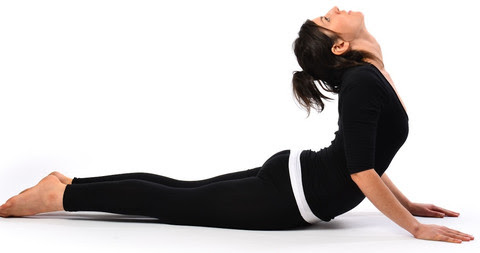
Bhujangasana(cobra pose)

The bhujangasana name comes from the Sanskrit, “Bhujanga ” meaning “Cobra”,and “Asana”, meaning “Posture”.

Steps with breathing

1. Begin in prone position lie on your stomach with your toes flat on the floor and forehead resting on the ground.

2. Slowly bring the chin on the mat, keep the palms beside the shoulder level facing forward and draw your elbows towards the side of the body.

3. With inhalation push down through the palms and lift the chest slowly up towards the ceiling and maintain the final pose from 30 seconds to one minute.

4. While exhaling slowly bring the chest down and relax in makarasana.

Adjustments

1. Feet flat on the floor.

2. Palms right beside the shoulder level and while lifting the chest up, keep the navel on the floor.

3. Shoulders away from the ears and broaden the collar bones.

4. Press the pubic bone.

5. Neck should be neutral.

Variations

1. Baby cobra (resting on the elbows).

2. Lift the arms off the floor.

https://www.youtube.com/watch?v=h2lj2z8gg0w

Benefits

1. Brings rich blood supply to the spine, hence, keeps the spine supple and healthy.

2. Beneficial for all the abdominal organs, especially the liver and the kidneys.

3. It alleviates constipation.

4. It tones the ovaries and uterus and helps in menstrual and other gynecological disorders.

Contraindications

1. People suffering from peptic ulcer, intestinal tuberculosis, or hernia and people who recently underwent abdominal surgeries should avoid this asana.

2. Pregnant women should also avoid this asana.
 

19Sep

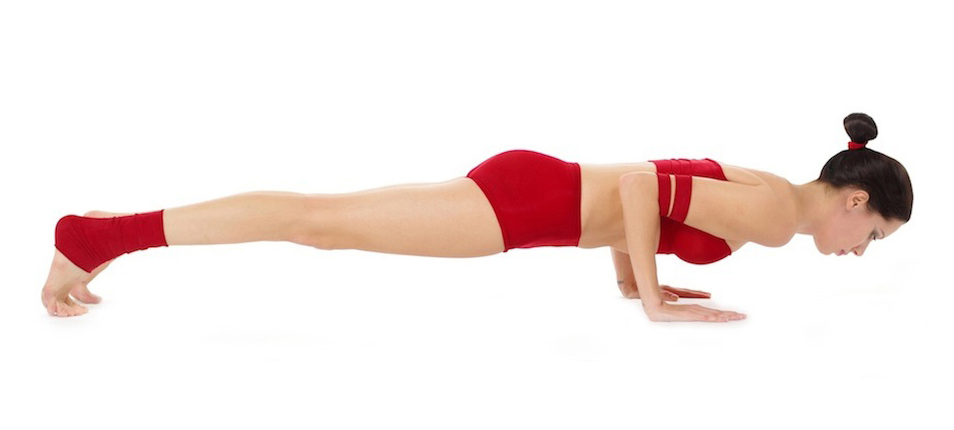
Chaturanga Dandasana (Four limbed staff pose)

The Chaturanga Dandasana name comes from the Sanskrit, “Chat ” meaning “four”, “Anga ” meaning “Limbs”,“Danda ” meaning “Staff”and “Asana”, meaning “Posture”.

Steps with breathing

1. Start with dandasana and slowly come in with vajrasana (heels beneath the hips) and walk your hands all the way forward until torso is parallel to the floor (also called table top position).

2. Now tuck the toes, bring the upper torso down and lift the knees off the floor.

3. In the final posture 4 limbs of the body should be in contact with the floor i.e. feet and palms. Maintain the final pose from 30 seconds to one minute.

4. Slowly bring the knees down, lift the upper torso up, release the toes and rest in shishu asana.

Adjustments

1. The feet should be placed approximately hip width apart.

2. Neither the shoulders nor the lower back should sink down.

3. Avoid lifting of the hips up.

4. Should maintain the 90degree angle between the shoulder and the elbow.

5. Core should be engaged.

Variations

1. Utthita chaturanga dandasana (extending the elbows).

https://www.youtube.com/watch?v=pqLnAQ58YLk

Benefits

1. The pose strengthens the arms and the wrists and develop mobility and power.

2. It also contracts and tones the abdominal organs.

3. It tones and strengthened the spinal muscles.

Contraindications

1. People suffering from carpel tunnel syndrome and shoulder dislocation should avoid this asana.

2. Avoid it during menstruation cylcle.

* * Special Offer for Early Bookings! * *

Book your Aerial Yoga TTC now and save €100 on your total fee.