(img alt= height="1" width="1" style="display:none" src="https://www.facebook.com/tr?id=826411655851847&ev=PageView&noscript=1"/)
17Jul

200-Hour Yoga TTC Goa, Explore Asana, Pranayama & Yogic Wisdom.

Yoga has emerged as a global choice for people across the globe, as it offers not just physical flexibility but mental resilience, clarity, and emotional strength. A core aspect of the yoga practice and yoga teacher training courses is physical postures – asanas, which are basically moving meditations, offering you pathways into deeper understanding about yourself, focused body awareness, and tools for correct realignment, not just of the spine but of the overall way of living. In addition to asanas, ancient yogic practices like Pranayama, the yogic breath work, offer a multi-dimensional path to healing.

The 200-hour yoga teacher training Goa offers you a chance to explore physical yoga asanas with its structure, philosophy, and adaptability across various styles such as Ashtanga, Hatha, Iyengar, and Vinyasa to discover strength, sustainability, and transformation. Whether you are a regular yoga practitioner who wants to take up a yoga teacher training course or you are just a beginner in yoga who wants to explore asana, pranayama, and yogic wisdom, 200-hour Hatha & Vinyasa Yoga TTC in Goa can be one of the best ways to explore this experience. Goa offers beautiful beaches, golden sunsets, a tropical climate, and a supporting global yoga community that can act as the perfect backdrop you need for your transformative journey.

Why choose a 200-hour yoga teacher training course in Goa

A 200–hour TTC is a foundation yoga TTC that is recognised by the Yoga Alliance, allowing you to teach yoga internationally once your certification course is complete. Even though there are many attractive destinations in India as well as outside India which offer yoga TTC, Goa stands apart because of its –

* Natural settings – Goa is blessed with coconut and Palm trees lining the sun-kissed beaches and peaceful surroundings. Goa promotes mindfulness. Whether you want to become a professional yoga instructor or you simply want to enhance your understanding of yoga, Goa offers you the right energy to introspect and dive deeper into your journey.

* Cultural activities – Goa is the best place to experience cultural exchange and vibrant cultural activities. You will get a chance to interact with traditional yoga gurus and participants from various cultures and locations, and learn diverse cultural practices and interactions that will enhance your perspective on life in general.

* Affordable and authentic – Goa blends affordability and authenticity. Having yoga ashrams and wellness centres which are run and other guidance by experienced traditional yoga instructors of India who have grown up and lived life in an authentic way. You get a chance to receive a training that is seasoned with the expertise of such traditional yoga masters at a fraction of the cost.

Structure of the 200-hour course

The structure is designed holistically to include the professional standards provided by the Yoga Alliance. A typical day in your schedule would begin with morning meditation and Pranayama, moving on to asana practice sessions in the morning as well as the evening. In the daytime, you would be engaging in lectures on yogic philosophy, anatomy, and learning teaching methodology, along with Mantra chanting and group sharing circles.

What will the 200-hour yoga TTC Offer?

It is a comprehensive foundation program in which you will be acquainted with Ashtanga, Hatha, Vinyasa, and Iyengar styles of yoga. It is a holistic training that will allow you to gain knowledge and master yoga practice through the correct way of doing yoga asanas. Eventually, you will notice yourself transitioning between the consistent, structured sequence of Ashtanga to brush your foundations, slow, mindful hatha practice, to the dynamic floors of Vinyasa and the alignment-focused Iyengar.

Ashtanga Yoga

Ashtanga yoga is a disciplined and dynamic system of yoga that is structured to provide you a sequence of asanas that purify the body, stabilize the mind, and ignite the Tapas (inner fire). It has been made popular by Sri K Pattabhi Jois. Ashtanga yoga follows a Primary Series (Yoga Chikitsa). The Primary Series is a fixed sequence of yoga asanas that aim to detoxify the body and help in the alignment of the spine. This includes foundational poses such as –

  • Surya Namaskar A and B – This asana helps in energizing the body, improving circulation, and linking the breath with the physical movements.
  • Padangusthasana (big toe pose) – The big two pose helps calm the brain and stretch the hamstrings and calves
  • Purvottanasana (upward plank pose) – This asana strengthens the arms, the wrists, and the core while opening the chest.
  • Bhujapidasana (shoulder pressing pose) – It strengthens the arms and shoulders and enhances balance.
  • Supta kurmasana (sleeping tortoise pose – It helps in opening the hips and shoulders and relaxing the mind.
  • Setu Bandhasana (Bridge pose) – It helps in opening the heart and the chest while also stimulating the thyroid.

Hatha Yoga

One of the most traditional forms of yoga. It focuses on static yoga postures, Pranayama meditation, as well as alignment. It has ancient roots in the traditional yogic wisdom, and it is still loved by contemporary yoga practitioners as it helps in building discipline and mindfulness. Close Asanas like –

  • Tadasana (Mountain pose) – To improve posture and set the foundation for all standing poses.
  • Virabhadrasan 1 and 2 (Warrior) – To build strength and stamina and improve focus.
  • Bhujangasana (Cobra pose) – Stimulates the abdominal organs, strengthens the spine, and relieves back pain.
  • Sarvangasana (Shoulder stand) – Improves the thyroid function and circulation.
  • Halasana (Plow pose) – Stretches the spine and reduces fatigue and anxiety.
  • Savasana (Corpse pose) – Fosters deep relaxation and brings together the benefits of the entire practice.

Vinyasa Yoga

Vinyasa yoga, also known as flow yoga, is a sequence-based yoga encompassing dynamic and creative transitions, focusing on fluidity in movements, energy, and dynamic sequences. It emphasizes breath-synchronized movement to foster rhythm in yoga. The Vinyasa style focuses on strength-based flows in combination with breath work like Ujjayi breath (Ocean breath). The 200-hour foundation course would help the students learn the core principles of Vinyasa, its origins, benefits, and how it differs from other yoga styles. The students will learn in depth about decoding various yoga postures that include –

  • Surya Namaskar (sun salutations) variations as the basis of their flow.
  • Linking breath with movement (Vinyasa krama)
  • Creative transitions between various postures such as standing poses, balancing poses, seated poses, backbends, inversions, and restorative poses.
  • Students will learn Vinyasa sequencing that includes warm-ups, flows, series, backbones, core integration, and cooling asanas.
  • Using modifications and props for all levels

Iyengar yoga

Founded by BKS Iyengar, Iyengar yoga is a therapeutic form of yoga that focuses on the art of alignment. It promotes anatomical awareness about one’s body and helps the student gain understanding about posture correction and safe and sustainable practice. In Iyengar yoga, students would explore the functional alignment of yoga asanas and body mechanics through the use of props like chairs, bolsters, blocks, wall, etc., and learn how even small variations can result in deeper activation and release in their practice.

  • Detailed instructions and practice of a wide range of Iyengar Yoga poses.
  • Emphasizing precise alignment.
  • Safe use of props to achieve correct form and deepen the practice.
  • How to modify them for different body types and abilities.

Pranayama

The students would be learning the right way of doing Pranayama, the yogic breath work. They will be taught the difference between different kinds of breathing and their implications, like chest breathing and diaphragmatic breathing, along with learning about the concepts of Nadis (energy channels). They’ll also get a chance to learn various kinds of breath work techniques like Kapalbhati (cleansing breath), Sheetali and Sheetkari (cooling breaths), Bhramari (humming bee breath), Nadi shodhan (alternate nostril breathing), and their practical benefits.

Meditation

Meditation is a core component of the 200-hour program as not only it enhances the yoga practice but it also open the scope for self-awareness, absorption and better healing. The students would get a chance to engage in various techniques like Mantra awareness meditation, breath awareness meditation, guided meditation, Tratak candle gazing meditation and would accordingly modify their practice to accommodate different temperaments as well as goals.

Teaching methodology

One of the most important aspects of this foundation course is teaching methodology which is designed to help the students practice with important tools such as teaching confidently. The students are supported in demonstration, learning verbal cues, classroom readiness, and teacher preparation paired with sequencing techniques, lesson planning strategies, and modifications which will help them build a solid career in yoga teaching.

Like-minded community

One of the most beautiful aspects of choosing a teacher training course in Goa is exploring the treasures of finding a like-minded community. You get a chance to meet people of various backgrounds and communities and practice together with them, sharing meals, stories, breakthroughs, and exploring connections that often lead to strong professional and personal friendships.

Conclusion

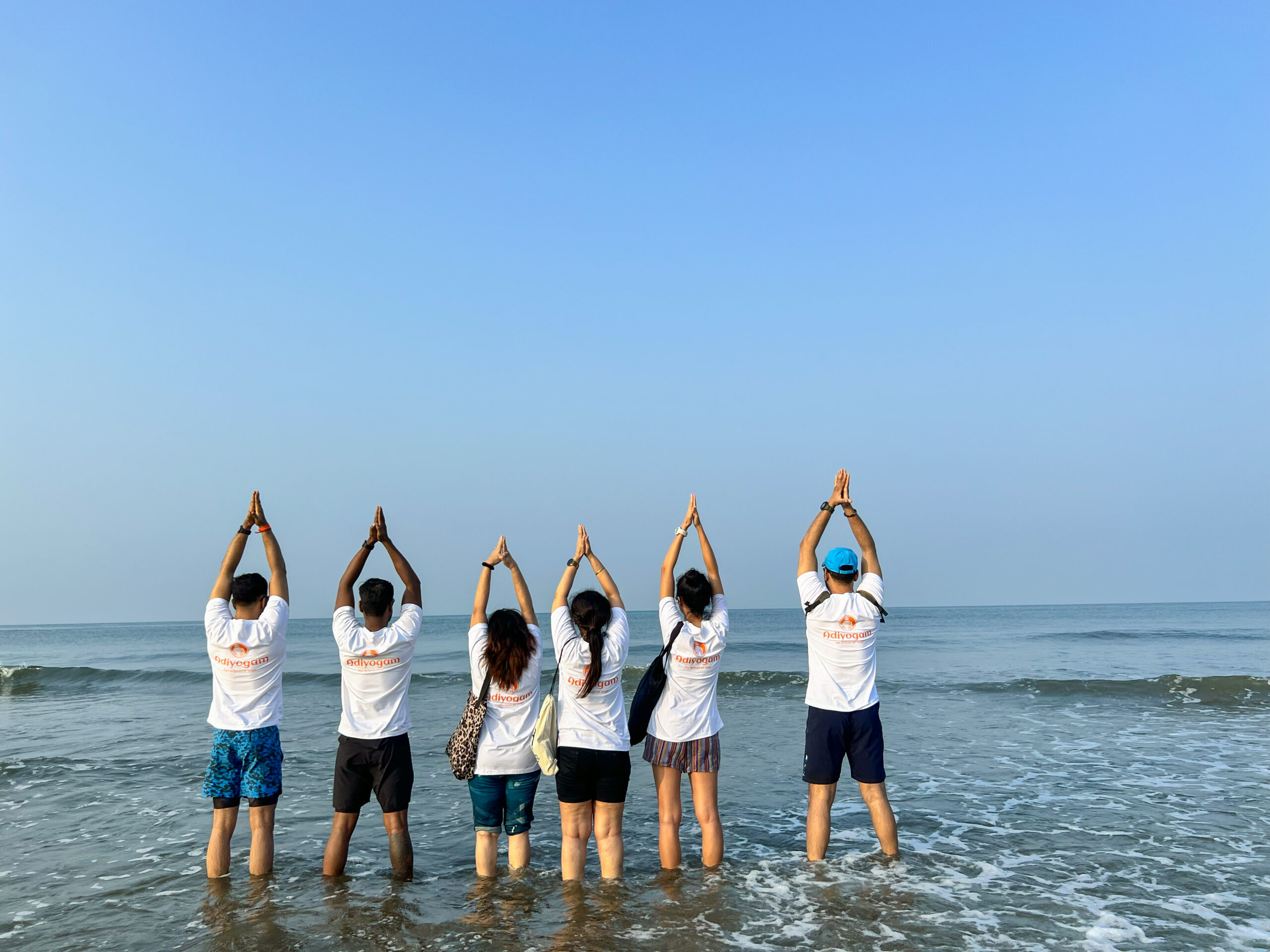
The 200-hour yoga TTC Goa is mindful about including yogis from all walks of life, as the modifications in the course allow people to not only benefit from the yoga asanas but also learn modifications so that they can adjust students from all backgrounds and varied needs. Even though such courses are designed for serious yoga seekers, you will also get chance for balanced breaks and beach walks. You can explore the local surroundings, get engaged in beach meditations, Jungle trekking, and fun activities like mud bath etc. Goa offers you a supportive atmosphere that leads to transformation going beyond just the physical aspects.

14Jul

When to Visit Goa For Yoga Teacher Training – Your Perfect Travel Season Revealed

Goa India’s vibrant coastal state has long been associated with being the perfect travel destination especially for yoga enthusiasts and spiritual travellers. Goa’s scenic beauty and atmosphere is suitable for spiritual retreats, wellness and ayurvedic centres and yoga teacher training in Goa programs, but most importantly what sets Goa apart from other locations is it’s welcoming atmosphere all year round. Goa offers an experience that is far from static, each season offers something unique suited to different experiences. For yoga travellers who are looking for more than just a vacation, understanding Goa’s seasonal rhythm can help them select the best time to visit Goa for specific purposes.

November to February – the peak tourist season

November to February in Goa witnesses the peak tourist season as Goa offers perfect weather that is dry and pleasant. The temperature in this period varies between 20 degrees Celsius to 32 degrees Celsius and supports activities like beach tourism, music festivals, cultural events, Serendipity arts festival, Sunburn festival in December. Preparations for the Goa Carnival starting Jan end to Feb, are in full swing and a variety of yoga teacher training courses are lined up.

It is between November to February that Goa sees a lot of tourist influx because of the beautiful weather which elevates the beauty and vibe of Goa. With the Goa’s skies clear of monsoon rains, lined with clear skies over head this tourists get to experience an ideal weather for lounging on the beach sightseeing and enjoying the nightlife of Goa. And even though Goa at this time of the year is highly popular for its EDM parties and colourful night activities it also offers rejuvenating and focused environment for yoga enthusiasts who are looking to immerse themselves in yoga teacher training courses. Many yoga ashrams and yoga schools schedule their yoga courses in Goa at this time due to the high demand by tourists for group as well as personal classes. Although, yoga practitioners who are looking for looking for solitude or an absolute calm and quiet experience, or a peaceful learning environment may find the energy a little fragmented, unless they choose remote centres or retreats away from tourist or commercial zones.

March to May – the Shoulder season

The period between March to May often popularly known as the Shoulder season is the transition period. The crowd begins to thin as tourists start returning, majority of the festivals are over, beaches are less crowded and the accommodation prices drop as weather grows slightly warmer. The temperature varies between 25 degree Celsius to 35 degrees Celsius making the weather humid and hot.

Yoga teacher training? Well, even though most of the yoga ashrams have green spaces lined with trees and shaded inland areas where heat can be easily managed, one may not find the weather most perfect, for yoga teacher training courses.

Goa has beaches which offers naturally pleasant evenings and early mornings perfect to immerse in nature walks, beach meditations, cycling etc. with quieter surroundings. So tourists and nature travellers seeking for deeply immersive transformations can find their way back to themselves in the cosy calm of Goa. This period might not be the most suited for serious Yoga teacher training classes but short training classes but yogis, budget bound travellers can benefit from the spacious environment with fewer tourists in spiritual retreats and programs. Tourist can immerse themselves in ayurvedic treatments and detox programmes that are also occurred in Goa along with light yoga practises to seek rejuvenation and healing that transforms one, externally as well as internally.

June to September – the monsoon season

June to September witnesses the monsoon season in Goa. At this time of the year the temperature in Goa ranges between 24 degree Celsius to 30 degrees Celsius and it receives frequent trains. The rivers swell and the forests thicken. Goa is covered in lush greenery and rains, observing a dramatic transformation of nature. Because of the monsoon season the tourist infrastructure closes for a brief. Especially in areas of North Goa so even though most of the yoga schools and ashrams are located near the serene beaches of North Goa, The hints and Heritage Stage in South Guwahati remain open for monsoon seekers.

This period in Goa is best for travellers looking for ayurvedic retreats, solitude, and looking for connecting with nature and earth. Other suitable activities in Goa during the monsoon season include detox programmes in Ayurveda like Panchkarma treatments, digital detox retreats as well as cultural activities to be enjoyed with the local communities in Goa. As for yoga teacher training this period of the year is not the most convenient and conventional choice. The monsoon season can affect the road conditions and disrupt travel.  But for yoga travellers who seek solitude and maximum natural immersion, the monsoon season can shower therapy on them.

October – the transitional season

October is Goa’s best kept secret. This is the transitional season of the year with the monsoon coming to an end, Goa enters a state of rejuvenation. The humidity is clearing up, landscapes are still lush and the tourism machinery hasn’t gained full throttle, so the state is not flooding with tourists. It is an excellent time for balanced experience. A few occasional showers are best for nature enthusiasts and spiritual seekers. It is a perfect time for experiencing the pleasant climate, relaxing calm and activities of Goa like mud baths, cacao drinking, Bohemian activities and relaxing in the earthy cafes of Goa while mingling with a like-minded community. As for yoga teacher training courses this. Also well suited whether it is for Eco travellers and nature enthusiasts or first time visitors who are looking to experience yoga and solitude or for serious yoga practitioners who want to take up professional courses before the December rush starts to seep in.

Conclusion

Goa welcomes tourists and travellers all year round offering something unique for each. It offers physical, mental and emotional transformation. So choosing when to visit Goa completely depends on your purpose. For travellers who are drawn to music, beaches and the night life, November to February delivers the Goa of parties and postcards. Meanwhile travellers can seek a contemplative streak by embracing the rains and lush greenery in the monsoon season. Whereas for yoga teacher trainees and wellness seekers the period between October to March is the most ideal time for disciplined learning and focused practise. Yoga schools in Goa like AdiYogam which is based in Arambol in North Goa, offers yoga teacher training courses – from Hatha to Iyengar to Aerial Yoga in various formats under the guidance of Bharat Ram Ji, who has grown up in the traditional set up and guides his students all year round to become professionals and seek their personal journeys.

07Jul

Top 5 Things to Know Before Starting Your Aerial Yoga Teacher Training in Goa?

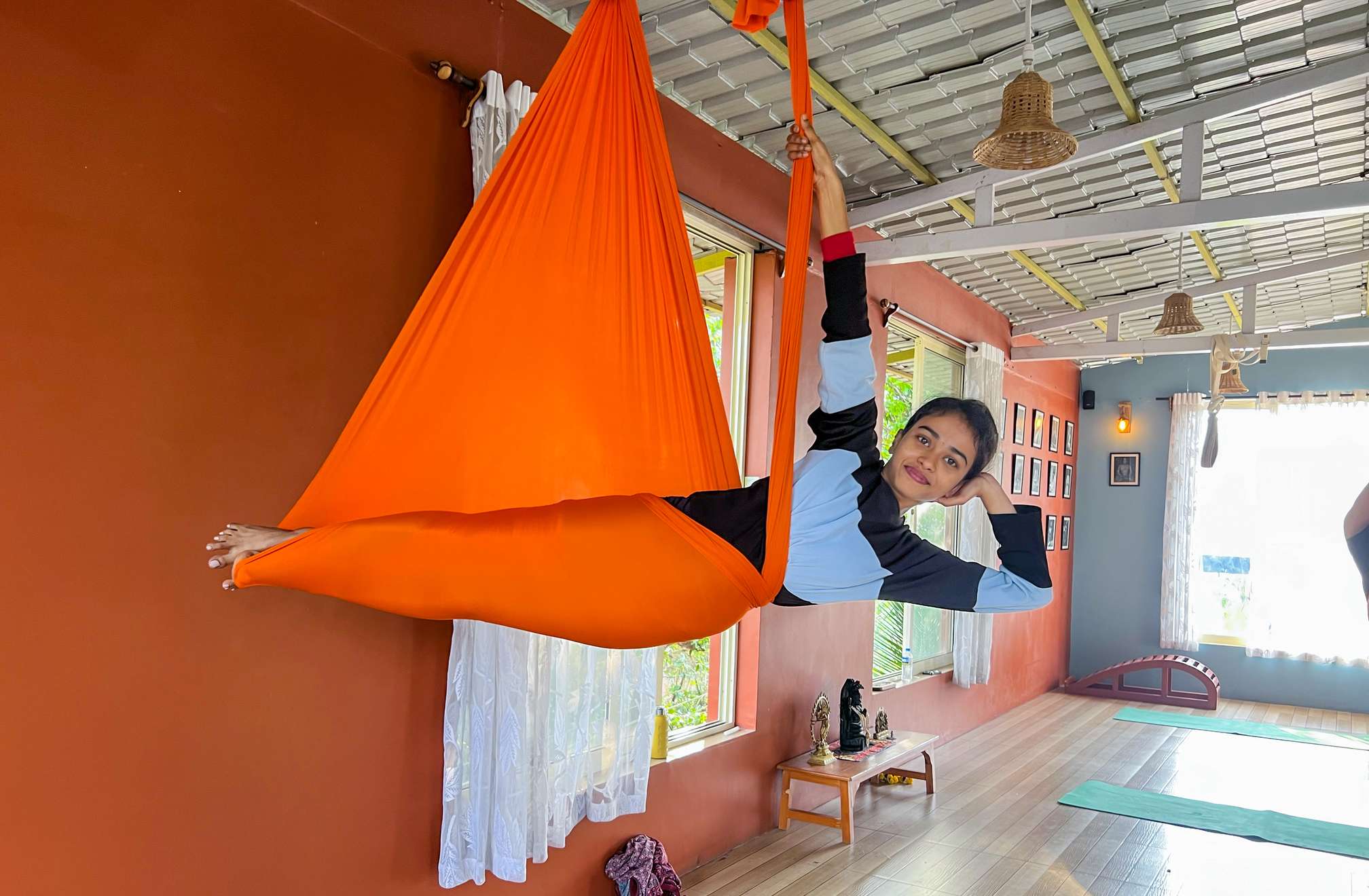
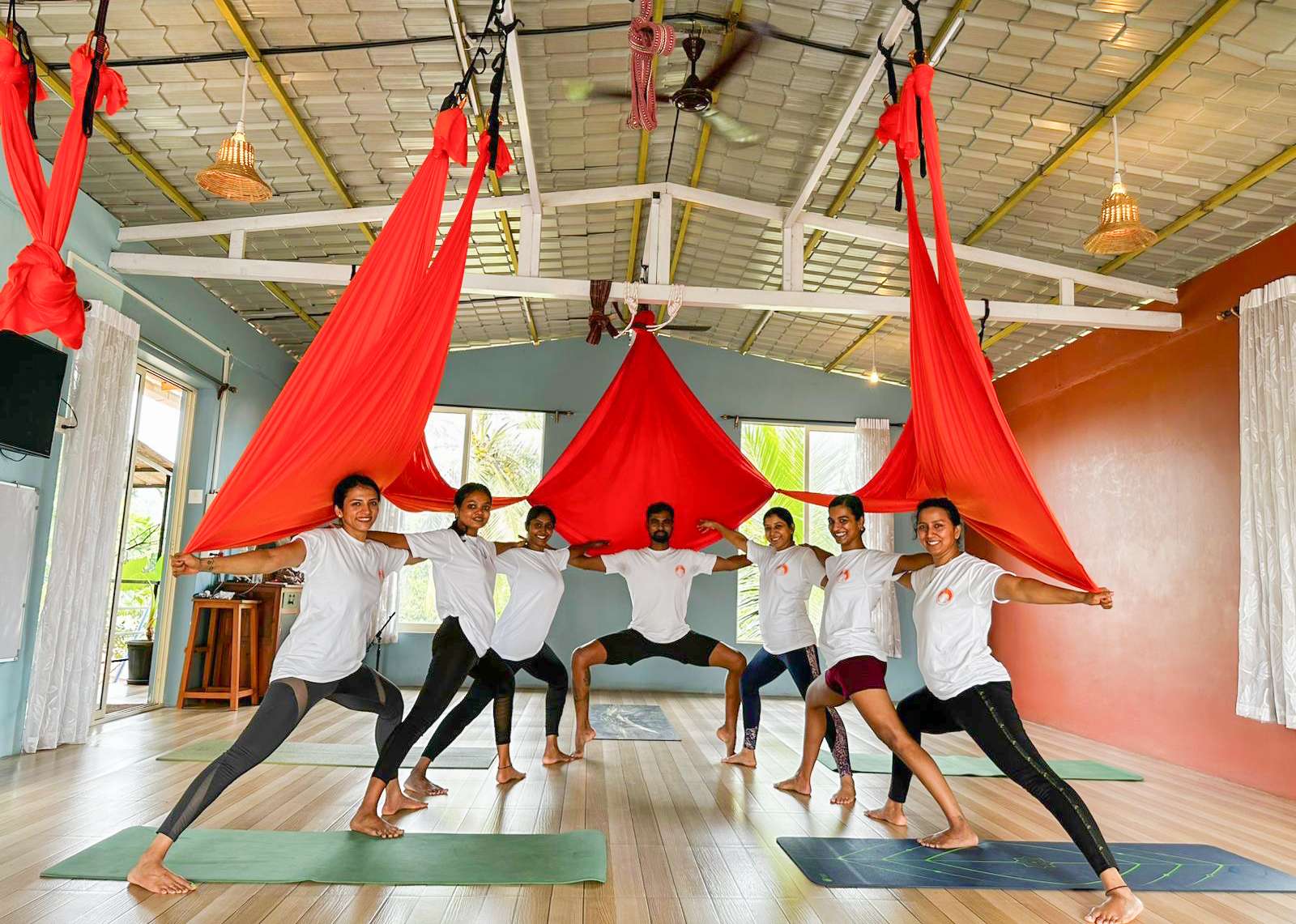
Aerial yoga is a combination of traditional yoga + acrobatics + suspension therapy + fun. Also known as flying yoga or anti-gravity yoga, aerial yoga teacher training courses are gaining attention from both beginners and advanced yoga practitioners alike in the realm of the fitness and wellness industry. The yoga teacher training courses invite passionate yoga practitioners to become able professionals who can teach airborne asanas with the help of aerial tools like hammocks, ropes, and swings, with proper safety and rigging. The growing trend of aerial yoga teacher training courses highlights the wider transformation in the fitness industry, where traditional yoga is tweaked with fun experiments and yoga postures that go beyond the mat and make you challenge yourself in inversions while you are flying in the air literally! And what other place to go for aerial yoga TTC than Goa, India? Goa, with its sun-soaked golden beaches, offers a transformative atmosphere along with affordable and certified training programs and a global community, which makes Aerial Yoga Teacher Training Goa a global hub for yoga teacher training.

5 Things to Know Before Starting Aerial Yoga TTC in Goa.

1. It’s more than just hanging upside down

Many beginners conceive aerial yoga as flashy inversions and anti-gravity stunts, which is more around just hanging upside down, but in reality, aerial yoga is a meticulous physical, theoretical, and transformative experience that challenges your body and mind during the inversions and helps you gain new perspectives.

What to expect in the curriculum?

  • Breakdown of yoga postures – The curriculum at aerial yoga training courses includes the breakdown of yoga postures from basic seated poses and simple stretches to complex inversions and flips, where the students are trained to work on various alignments and variations.
  • Anatomy – The curriculum is designed to decode spinal decompression, joint safety, and activation of the core and muscles while being suspended mid-air in the hammocks.
  • Safety techniques – The students would be trained to learn spotting and safety techniques, especially during transitions in the air, to avoid injuries.
  • Teaching methodology – Along with the safety techniques, the students will also be acquainted with learning how to effectively queue, give demos, and gradually build confidence as a teacher so that they can communicate and instruct effectively.
  • Structuring classes – The to be aerial yoga teachers would also be learning about class structuring, which means they will be able to design classes for all levels and people from all walks of life, depending upon the flow sequences or the type of classes, whether it is restorative or advanced.

2. Aerial yoga demands physical and mental openness

Unlike the comfort of traditional yoga, which is done on the mat, aerial yoga could seem challenging as it demands more physical and mental strength. Even though no prior training is needed to learn aerial yoga, it is always good to work on your physical strength and flexibility so that you can get away maximum of your course. Aerial yoga requires firm strength in your upper body, so it is better to start building core strength in your upper body, especially in your shoulders. You can also go for core strength training with planks and other yoga postures that enhance your hold and flexibility.

In addition to the physical agility, you are also required to come with an open mind. It is absolutely alright to feel intimidated in the beginning, and you may initially get fumbled or tangled in the hammock, but gradually you will learn to trust yourself and the process. You will learn to build aerial confidence, not just opening new bounds but also looking at things differently when hanging upside down. Come prepared to experience emotional release and lots of fun and giggles. The benefits of Aerial Yoga outnumber the physical challenges at so many levels.

 3. You’ll learn to teach, not just practice

The most unique part of aerial yoga teacher courses is that whether you are a beginner or an advanced practitioner, you will not just learn to practice aerial yoga and deepen your personal practice, but you will learn to efficiently hold your space, clearly communicate and share your knowledge with others in a safe and controlled environment.

Some of the key teaching skills that you will master

  • Verbal cueing – Perhaps one of the most important teaching skills is verbal cueing, meaning that you should be able to clearly describe the suspended poses and guide your students while they are hanging mid-air, depending on you.
  • Physical adjustments – Another important aspect is helping your students ensure safety in terms of how they are placing themselves in the inversions, their body movements, and the way they handle the hammocks.
  • Creative sequencing – Creative sequencing is what will set you apart from other teachers. You would learn to creatively plan your flows and class modules, with music, themes, and chosen setups, as per the capabilities and requirements of your students, with safety.

4. Why choose Goa for aerial yoga TTC

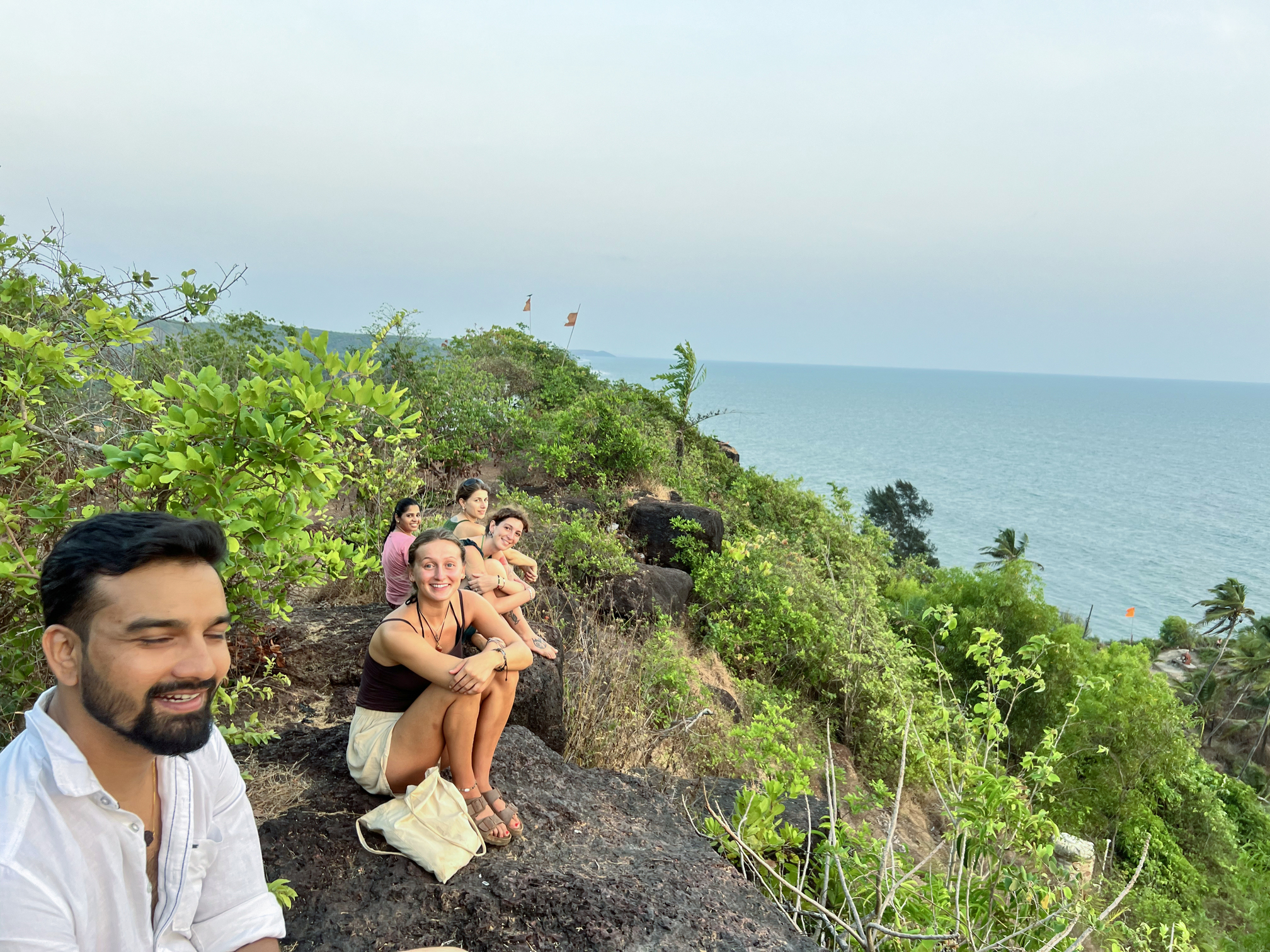
Goa offers a vibe like nowhere else as a yoga teacher training, you would want to balance you’re the discipline of your course with the fun of the environment, and Goa is the perfect place for that. Not only do you get a chance to embrace the yogic rhythm, but you also learn traditional values with contemporary adjustments. An ideal day of your training would start early morning with meditation, followed by practice and theory classes. Your meals would be satvik, vegetarian diets which are prepared from locally sourced organic ingredients, to replenish your body and mind. You can enjoy the beach sunsets after your classes, explore the local flea markets, and connect with the global community. You can experience conscious indulgence in activities like mud bathing, cacao drinking ceremonies, jungle trekking, beach meditations, and the colorful bohemian culture of Goa. You can digitally detox yourself and disconnect from the humdrum of your busy lives to reconnect with yourself.

5. Select your school wisely

The most important aspects before starting your aerial yoga teacher training in Goa are researching the various yoga schools and multiple yoga zones, and wisely selecting your yoga school for training.

What to look for in an ideal aerial yoga school?

  • Curriculum – Instead of being lured by Instagram beach pictures, you should focus on prioritizing your safety and curriculum, which will help you gain the essential benefits of your training.
  • Certification – You should research whether your yoga school provides you with certified courses or not, making sure that your yoga school is aligned with institutions like Yoga Alliance or offers other valid credentials, which can be accredited and globally recognized for your smooth professional journey.
  • Infrastructure (safety support) – You should deeply research and be sure about the infrastructure and safety support in terms of the safety rigging used, the type of hammocks, and the ceiling support used at your yoga school. Remember, aerial yoga can be the most enjoyable form of yoga when done with guaranteed safety.
  • Feedback sessions – An ideal aerial yoga school should also offer feedback sessions, so that you can learn about the areas you can work upon and gain confidence in undertaking aerial yoga classes in the real world.

Quick checklist

  • Check the school’s safety & infrastructure.
  • Look carefully at the certification they offer.
  • Working on flexibility, light exercises, stretching, etc., will help.
  • Come with an open mind & embrace the community vibe.
Conclusion

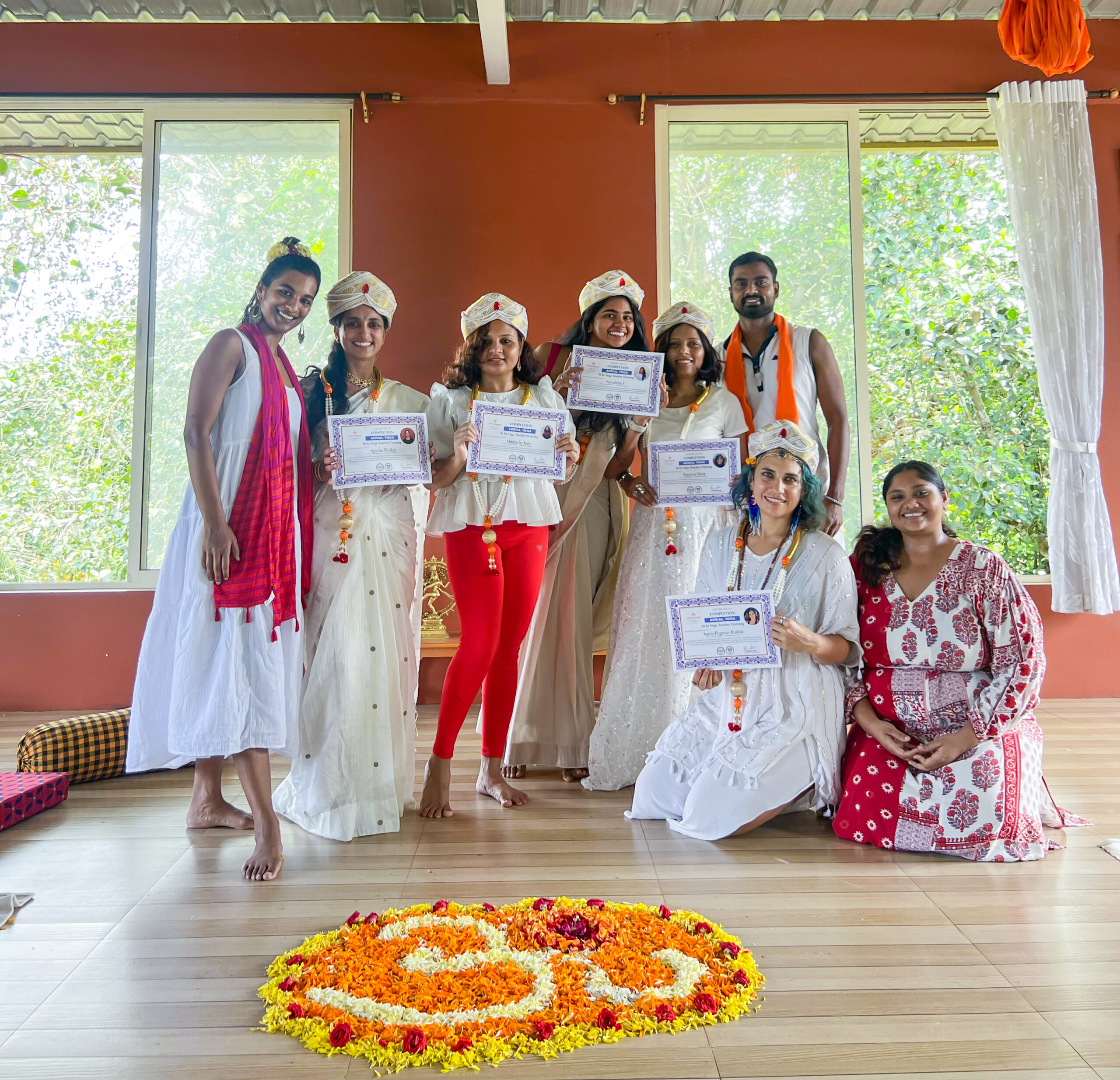
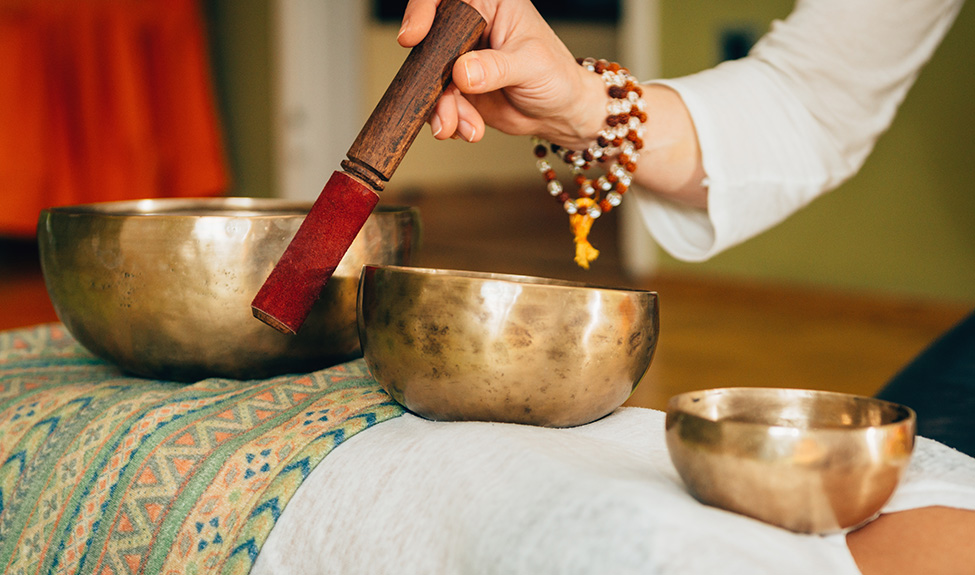
If you’re passionate about blending creativity and fun with traditional yoga, aerial yoga can be life-changing both in your personal as well as professional journey. Goa offers the perfect setting for an aerial yoga TTC and will carve a promising pathway to grow professionally. A teacher training course in aerial yoga in Goa offers you the perfect atmosphere to enhance your body-mind connection, improve your teaching potential, and experience bliss in yoga beyond the mat. Yoga schools like AdiYogam are one of the Best Aerial Yoga TTC Goa. Not only does it check all of the above boxes. It provides an effective aerial yoga TTC course under the guidance of traditional yoga gurus like Bharat Ram, who holds decades of experience in undertaking aerial yoga sessions and teacher training courses. AdiYogam also provides a traditional touch in its courses with pranayama (yogic breath work) techniques, mudgar training, sound healing, mantra chanting, meditation, and sacred fire ceremonies. All of them are transformative experiences that will not only enhance your teacher training course but will also help you explore new things and go back with enjoyable memories.

30Jun

 2025 Yoga Retreats: The Must-Try Experience for Mind, Body & Soul

2025 Yoga Retreats: The Must-Try Experience for Mind, Body Soul

In a world constantly driven by deadlines, technology, and fast-paced routines, it is no surprise that people want to turn to yoga retreats to rejuvenate and connect with their inner selves. Yoga retreats in 2025 have become a must-try experience for refreshing the mind, body, and soul. The concept of yoga retreats has evolved beyond the regular yoga asanas. They have culminated into immersive experiences that are designed to replenish the body, calm the mind, and awaken the soul, making it one of the most transformative getaways people can choose. Yoga retreats combine travel and yoga, the two experiences that not only prioritize well-being but also help us redefine our purpose. Whether you are craving a tropical retreat, a mountain escape, or a beach side yoga retreat accommodation, 2025 is the year for you to follow your heart and tap into your Zen mode.

Why go for a yoga Retreat in 2025?

Unlike a regular vacation or standard getaways, a yoga retreat offers a mindful and purpose-driven reset. Such retreats combine well-structured guided yoga sessions with all-round wellness activities, Ayurveda sessions, yoga retreat food, meditation, and give space to experience emotional healing. They are designed to –

  • They help travelers unplug from the humdrum of their busy lives and take a break from the digital overload.
  • They help deepen one’s yoga practice and benefit from the guided experience of qualified instructors.
  • Learn meditation, Pranayam (breath work), alignment, posture correctness, and techniques for mindfulness.
  • Help people find a like-minded community that supports yoga and has shared experiences.
  • Find a safe space for emotional release and distress in a nurturing space.

Popular Types of Yoga Retreats in 2025

Like all fitness regimes, yoga is not one size that fits all, and neither are the retreats. When it comes to yoga, yoga enthusiasts and travelers are presented with a variety of choices to experience the yoga retreats that are trending, as well as the ones that match their needs and rhythm.

Iyengar yoga retreat – Alignment and therapeutic benefits

Iyengar yoga, rooted in the teachings of B.K.S. it, is a type of yoga that makes use of props like walls, chairs, belts, bolsters, etc. to focus on alignment, giving attention to detail, structure, and the correct way of practicing a posture. yoga retreats in Goa offer focused workshops that emphasize posture correction and provide therapeutic benefits for injuries and chronic pain. Such retreats help the participants slow down, go deeper experience conscious exploration of body mechanics and breath. These getaways are ideal for people from all walks of life, including recovering patients who want to experience the therapeutic benefits of Iyengar yoga.

 Aerial yoga retreats – To experience yoga in the air

Aerial yoga retreats help yogis experience adventure and mindfulness in one palette. The participants are suspended mid-air from hammocks, ropes, and other aerial tools to perform yoga off the mat. They get to experience inversions and challenge themselves upside down. Aerial yoga retreats encourage strength, flexibility, and finding new ways to discover and trust one’s own self. Aerial yoga retreats offered by yoga schools in Goa, like AdiYogam Akasha Retreat, guided by yoga masters like Bharat Ram, help the practitioners experience spiral decompression and mental clarity with fun, adventure, and playfulness. The Akasha (Sky) aerial yoga retreat also offers experiences like Mudgar training, ice plunge sessions, guided breath work, meditations, and sound healing in hammocks, which further elevate the experience of the retreat and help the travelers go back with new learnings and memorable experiences.

Ayurvedic retreats – To detox and rejuvenate

Ayurveda, the ancient Indian science of life, is connected to the yogic wisdom of India. Ayurvedic yoga retreats bring together yoga with structured Ayurveda consultations, detox programs, balancing nutritious meals, and detox programs that help the travelers reset their health, recover from burnout, and experience holistic healing. The Ayurvedic retreats offer customized ayurvedic meals that are based on the person’s body type to balance their dosas (Vatta, Pitta, and Kapha), herb based drinks, Abhyangam  (body massage with oil and spa), Panchkarma (the five detox therapies prescribed by Patanjali), gentle yoga and pranayama ( breath work), meditation and self-reflection.

Vipassana yoga retreats – Mindfulness-based retreats

Vipassana retreats, also known as the silent or mindfulness retreats, are experiences that offer participants the opportunity to observe silence for extended periods of time and allow themselves for deep introspection, turning inward and physically, mentally, and emotionally de-stressing. Such retreats offer emotional detox, which means, no phones or talking is allowed. Daily yoga and guided meditations, along with natural immersions in forests, mountains, or ashrams, accompanied by the Buddhist teachings and yogic traditions of mindfulness, are followed. Vipassana retreats are perfect for travelers who feel like unplugging from their emotional overwhelming and mental stimulations and calm down to experience silence as healing.

Benefits of Choosing Yoga Retreats

  • Rejuvenation – Yoga retreats enhance physical, mental, and emotional rejuvenation. The schedule in Yoga retreats encourages daily movement, satvik meals, and a clean air and healthy environment to refresh, reset, and rejuvenate.
  • Inner awakening – Yoga retreats lead to inner awakening and spiritual connection. Such retreats introduce participants to guided meditations, mantra chanting, contemplation, conscious withdrawal, and reconnect with their spiritual self to focus on finding a deeper connection to themselves and discover their inner calling.
  • Mental relaxation – Choosing yoga retreats helps people step away from the hustle of daily life, noise, digital distractions, and gives themselves a break to experience mental clarity, relaxation, and a safe space to introspect and reset.
  • Community – Yoga retreats foster strong community support and connections with people from various places who are seeking a similar journey, often leading to healthy friendships and connections.
  • Healthy habits – When you get a chance to be a part of a yoga retreat, you develop healthy habits that stay with you. Not only do you get a chance to learn yoga correctly, but you also learn tools and techniques of breath work, meditation, journaling, conscious eating, and mindfulness.

Conclusion

In 2025, yoga retreats and wellness travel are becoming a leading choice for yoga enthusiasts and travelers who are looking for transformation and solace beyond relaxation. In a lifestyle dominated by burnout, stress, and disconnection, moving away to replenish your mind, body, and soul is one of the most precious gifts you can give yourself. Whether you are attracted to floating in hammocks, correcting your posture in the precision of Iyengar, or rediscovering healing in silence, a yoga retreat will help you truly meet yourself and will take you where you need to go.


* * Special Offer for Early Bookings! * *

Book your Aerial Yoga TTC now and save €100 on your total fee.