(img alt= height="1" width="1" style="display:none" src="https://www.facebook.com/tr?id=826411655851847&ev=PageView&noscript=1"/)
30Jan

Yoga Teacher Training: Reasons, Process, Commitment, and Benefits Explained

A yoga teacher training or a YTT course is often described as a transformative and life altering experience and for all the good reasons. While many yoga practitioners begin their yoga journey with a simple intention of learning yoga deeply and in addition to it gaining certified skills to become yoga teachers. But with time and practice they realize that any YTT course is more than just learning how to learn and teach postures and the certification that you received by the end of your course.

The truth is that the YTT courses are structured and immersive experiences that offer you a combination of physical practice, mental discipline, philosophy and deep personal and spiritual growth.

Whether you are just a beginner in yoga or an advanced practitioner who wants to scale up to becoming a professional yoga teacher, or a wellness enthusiast who is looking for balance and clarity; understanding the reasons process commitment and benefits will help you decode the yoga teacher training experience and allow you to decide whether this journey is something that will resonate with you.

Why Do People Go for Yoga Teacher Training Courses?

To Enhance Personal Practice

One of the most primary reasons behind why people go for YTT courses is to enhance personal practice. Such courses will open better understanding of the physical asana practice, learn the correct alignment and modifications, find breath awareness and step into meditations and spiritual growth that will help you transform your yoga from a simple workout session to a mindful practice.

To Become a Professional Yoga Teacher

This goes without unsaid while the YTT forces help you become a professional yoga teacher by offering you certification. Once the course is completed you would not only develop strong posture skills. But you will also have teaching confidence, the right communication skills, the ability to design your classes and hopefully the ethical responsibility to conduct safe and informed classes.

To Find Balance and Clarity

Such courses help you to find balance and clarity. Often when you are in your yoga journey you will be facing burnouts, physical and emotional transitions, confusion and also a desire be at peace. A yoga training course will help you find structure and allow you to find that meaningful connection to yourself.

What is the Process of Becoming a Yoga Teacher?

Pick a School to Enroll in

One of the first steps in becoming a yoga teacher is to spot a school that you wish to enroll in. Choosing the right school is a very important decision as the principles and ideology of the school will help you frame the kind of teacher you would become.

Asana Practice, Physical Posture Training

During your course you will be engaging in everyday yoga sessions that will focus on strength, flexibility, alignment, balance, modifications and also the knowledge about injuries and how to prevent them. Apart from this there are various kinds of courses based on what you are looking for.

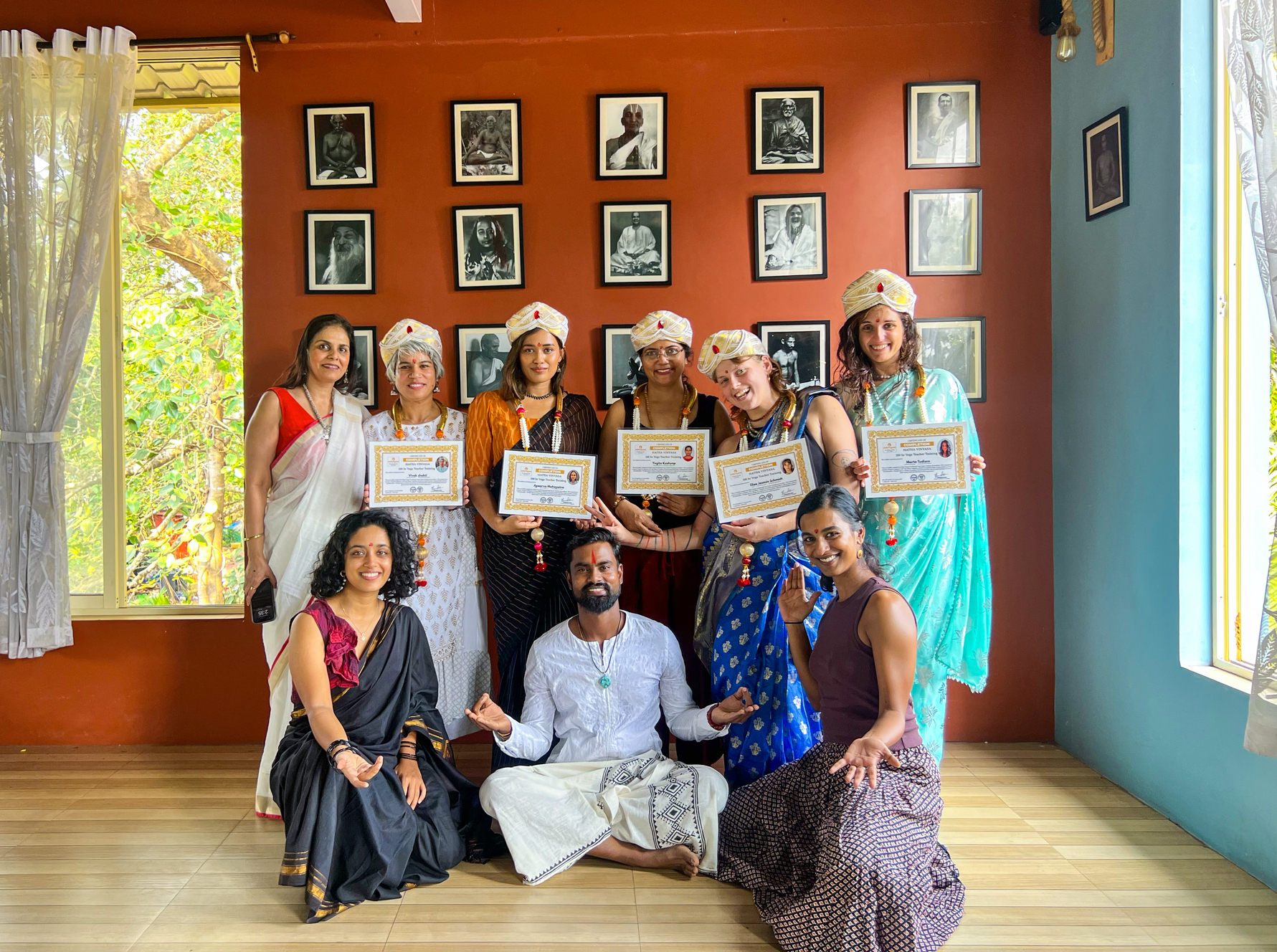
For instance, the 200 hours yoga teacher training goa offers you a foundational start in yoga teacher training that combines Ashtanga, Iyengar and Vinyasa styles of yoga along with physical asana practice, breath work sessions, teaching methodology and certifications that will help you become a certified yoga teacher and yoga wisdom across the globe.

Breath Work Awareness and Pranayama

The teacher training courses are not only meant for training you physically and helping you perfect your postures. But you will also be learning breath work awareness and pranayama that is the yogic breath work. Such practices will elevate your yoga game and help you transform your practice.

Yoga Philosophy

Such classes introduce you to yoga philosophy and ancient textbooks that help you learn the yogic way of life. You would be introduce to mindfulness principles such as Ahimsa, Dharma, Dhyana, Aparigraha and other yogic rituals that you will carry even when your course is over.

Anatomy

Learning basic anatomy becomes an important part of the yoga education. You will be learning about the muscle and joint functions, how the body reacts to movement, how to prevent injuries and learn modifications to make your classes safe throughout all age groups.

Teaching Methodology

Learning teaching methodology will help you develop strong communication skills that will allow you to manage your classes, add structure, proper cueing and effectively balance practical teaching.

What Commitment is Required?

Time Factor – Some of the common formats that exist in YTT courses. There are the 200 hour YTT Course that is usually an intensive program and requires a dedicated time of three to four weeks. There are other part time modules also which can be performed over multiple sessions or even short sessions.

Physical Factor – Enrolling in a yoga training course requires physical commitment as the body is challenged throughout. You will be engaging in everyday physical asana practice, repetition and engagement of new muscles so this may become challenging initially.

Emotional Factor – YTT often requires an emotional and mental commitment as practicing yoga will turn you into release of long held emotions, self-reflection and overcoming your old patterns.

Benefits of Enrolling in a YTT Courses

  1. Better physical strength and body awareness
  2. Enhanced mental clarity, growth and focus.
  3. You will be emotionally healed, and learn to better process your emotions.
  4. You will develop confidence.
  5. You will gain career growth opportunities.
People Who Search Deeply About This Topic
Are YTT Courses only for yoga teachers?

No, YTT courses are not only meant for yoga teachers. You can enroll in such courses even if you are just beginners in yoga. But are willing to go into details enhance your personal practice or deepen your understanding about yoga.

How do you know if you are ready for a Yoga teacher training commitment?

Understanding if you are ready for a meaningful commitment such as a Yoga teacher training program is important because the courses are time and energy demanding. You will know you are ready when yoga starts feeling meaningful to you. You genuinely become curious to explore yoga philosophy, methodology and you are open to learning and transformation.
05Jan

One Month in Goa for Yoga: Realistic Budget, Daily Routine and What No One Tells You

Goa, the coastal beauty of India is becoming one of the most loved yoga destinations for wellness seekers and yoga lovers across the world. The beautiful palm trees, golden sunsets, serene sands, authentic yoga, a multicultural community and on point infrastructure attracts yoga travel and practitioners from various corners of the globe.

Goa that once used to be popular for nightlife, carnivals, music festivals etc is soon becoming a destination to seek spiritual energy, connectivity and introspection through alignment. Each year thousands of yoga travelers visit Goa to seek yoga practice, teacher training courses, workshops, retreats or to simply enhance their yoga practice while enjoying the beauty of Goa.

But beyond what looks like in the social media pictures, one needs to understand about the practical side of visiting Goa for a month. Whether it is about understanding the budget, the everyday routine or what you should be prepared. These little tips will help plan effectively and be prepared for a realistic scenario. If you are planning to come to Goa for yoga, this guide can be helpful in understanding what you can expect.

Why People Pick Goa for Yoga

The beauty about Goa is that it not offers the most perfect background for practicing yoga and engaging in introspection and spirituality. But even the infrastructure and support services in Goa further elevate yoga in the state.

Whether you are someone who is looking for a comprehensive teacher training course, healing sessions, drop in yoga classes, workshops or you simply want to take a break from the everyday burnout. The overall vibe in Goa is relaxed along with a multicultural community that is supportive and welcoming. Also, Goa is the perfect place for beginners as well as experienced practitioners alike because it offers something for everyone.

What a Realistic Budget in Goa Looks Like?

When planning for a certain adventure or a trip it is important to have a rightful estimate about budget so that you can break it realistically according to your lifestyle.

The yoga courses in Goa different from school to school as well as the kind of accommodation you are picking.

For instance, if you enroll in the AdiYogam School of Yoga based in Arambol, led by Indian yoga master Bharat Ramji. You can find a multi style 200 hour yoga teacher training in Goa starting at €800. This course is basically a 21 day program that offers a holistic foundation in both the Hatha and Vinyasa styles of yoga along with practices such as Pranayama, meditation, yogic philosophy, mantra chanting, teaching methodology etc.

The pricing can further vary as per your style of accommodation. If you are going to book a private room, your regular price would be €1200 and if you are an early bird you may get a discount of €100. If you are going for a twin shared room the regular price would be €1000 and an early bird would get €900. And, if you are going for a 5 bed dormitory, you can expect the regular price to be around €900 and the early bird price to be €800.

It is important to note that the early bird discount will be counted only when you register in advance. So effective planning can help you bring down your costs and manage it effectively.

What Can You Expect Your Daily Routine to be Like?

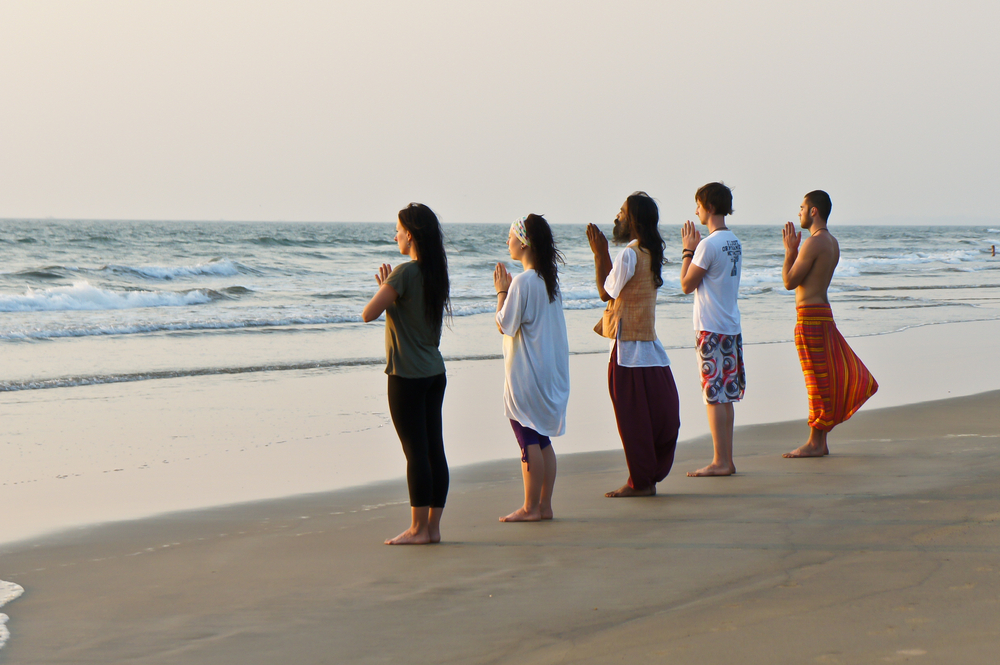
Rise with the sun – One of the best things about Goa is to rise with the sun and practice yoga on the beaches of Goa. You can engage in a holistic practice such as Surya Namaskar (Sun Salutations) and align your breath and body with the energy of the rising sun.

Engage in morning yoga practice – Your morning yoga routine further includes practices such as alignment based asana practice, pranayama, breath work practice, meditations and things like journal writing, introspection, walking along the beaches etc.

Do a nourishing breakfast – Breakfast is an important part of the day. When in Goa especially in a yoga school, you can expect a balanced and a Satvik breakfast such as fresh fruits, oats, porridge along with herbal teas and nourishing spices.

Sit for self study – Studying the theoretical part of yoga is a major part of any YTTC. Learning about yoga philosophies such as Bhagavad Gita, Yoga Sutras of Patanjali etc. Engaging in anatomy and in depth teaching methodology will be a common part of your everyday routine.

Lunch and refresh – Your lunch will be made with freshly sourced local ingredients that is hygienically prepared to nourish your body and prana.

Go for workshops or evening yoga in daily routine – The evening time is something you can enjoy and engage in for extracurricular activities that could include sessions such as sound healing, restorative yoga, ecstatic cacao dance ceremonies, breath work practices, mantra chanting, kirtan etc

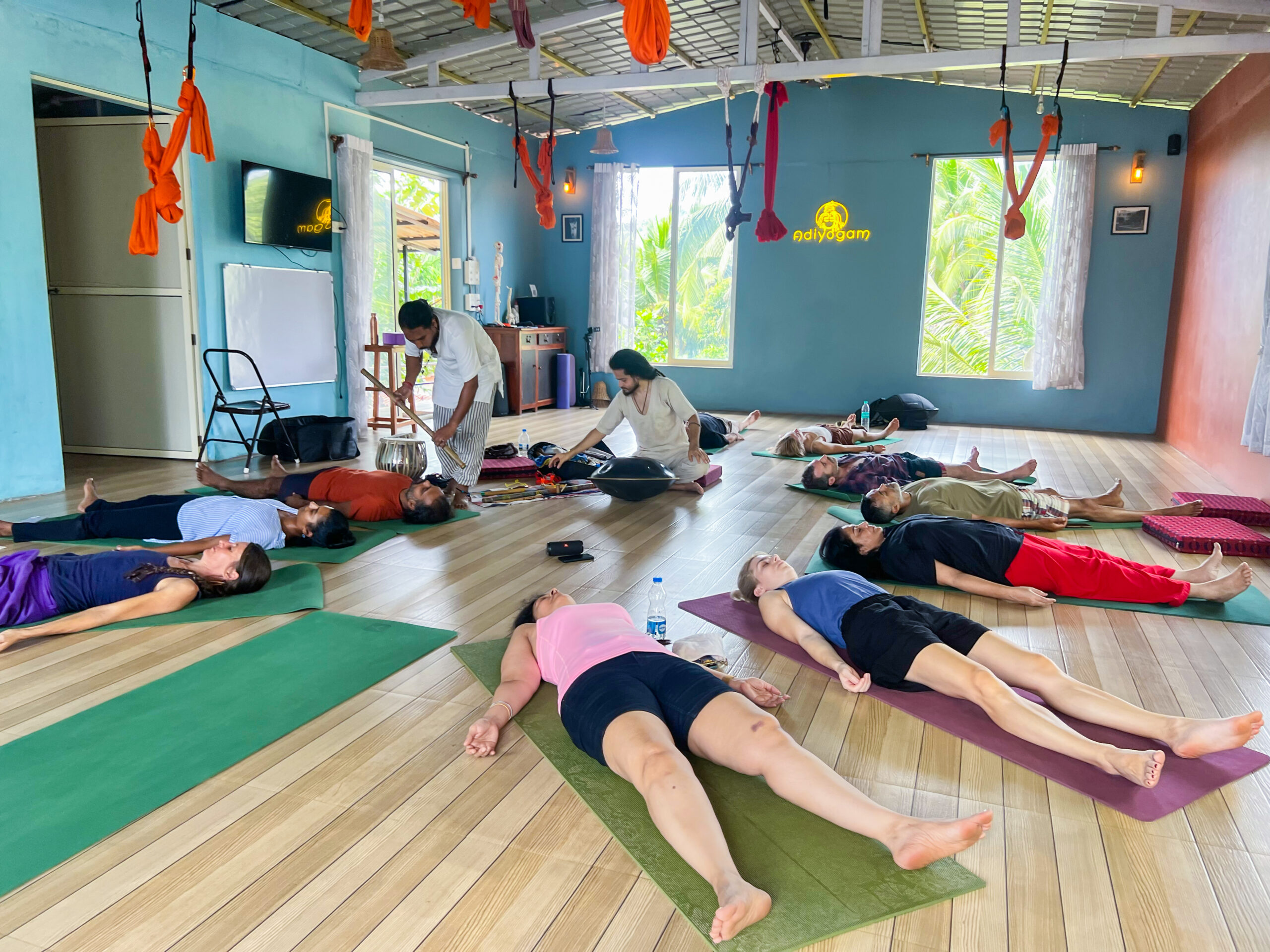
Wind down with the sunset –The last part of your day usually involves winding down especially with the sun. This could be anything such as engaging in journaling, enjoying quiet music or practicing Yoga Nidra to have therapeutic sleep.

 What No One Tells You About Yoga in Goa?

  • It’s not always a vacation mode
  • YTTC can sometimes be exhausting both physically as well as mentally.
  • Connectivity might be difficult at times
  • Goa meant for only parties
  • You can see release of emotions
  • You may want to extend your stay
 Conclusion

So coming to the final question – considering the above factors should you or not come to Goa for a month of yoga. Well the answer is a definite – Yes! Visiting Goa for yoga practice will not only enhance your yoga skills. But it will also help you get closer to yourself and understand yourself better physically, emotionally and mentally.

You will see improvement in your physical strength, stamina, endurance, posture correction. In addition to this, you will also be able to process and regulate your emotions better and enjoy solitude and peace.

17Nov

What Role Does Yoga Alliance Certification Play in Your Yoga Journey?

The world of yoga today is rapidly growing. Wellness and mindfulness have become priorities worldwide making the role of Yoga Alliance certification an important question for aspiring yoga teachers today.

Whether you are someone who wants to enhance your yoga practice or simply teach yoga professionally on a global level, understanding what a Yoga Alliance certification implies can not only help you in shaping your journey, but also allows you to understand the importance and long term goal goals of Yoga. In this guide, we shall be understanding the importance of this certification and how it benefits yoga teachers, and we shall also be de busting some common myths regarding this certification.

What Does a Yoga Alliance Certification Imply?

The Yoga Alliance is basically a non-profit organization based in the United States. It is one of the largest international yoga registries in the world. It establishes and maintains global standards for yoga education and maintains a registry of all certified yoga schools and teachers. When a person is certified by this alliance it means that they cover the educational standards in areas like-

  • Yoga postures asanas
  • Anatomy and Physiology
  • Standard teaching methodology and practicum
  • Yoga philosophy such as Patanjali’s Yoga Sutras and Bhagavad Gita
  • Professional responsibilities and ethics of A Yoga teacher

Importance of This Certification

Offers global acceptability & credibility

This certification offers global acceptability and credibility to the yoga teacher. Whether you have undertaken your yoga teacher training courses from India or Bali or America, you are still eligible to share your yoga knowledge with any studio and any city in the world.

Basically this certification offers you international teaching credibility and it standardizes your training making you acceptable and recognizable across borders. Mostly it has been seen that Wellness retreats yoga studios and even Wellness resorts prefer teachers who hold RYT certifications.

Widens teaching opportunities

If you are someone who enjoys traveling, embracing new cultures or simply practicing yoga on exotic locations, gaining this certification will allow you the chance to teach abroad whether physically or through online models. It widens your teaching opportunities and opens professional doors to students worldwide.

Associates you with the global yoga teaching community

Once you are certified you become a part of the global network of yoga professionals. This associates you with global yoga teaching community and offers you the exposure to resources, advanced yoga education courses, global yoga events and a platform to enlist your profile. This not only enhances your career growth but also boosts your creativity.

Provides validity and authenticity to your training

There are many yoga schools and ashrams today which offer teacher training programs but the Yoga Alliance is like a quality assurance mark. This not only establishes that your training has followed the authentic yogic principles, but it also implies that you have followed a foundational and a comprehensive course. And it has led to a deep understanding of yoga beyond just the physical postures.

For instance a RYT (200 Hour Yoga Teacher Training), certified teacher recognized under this alliance implies that he has a foundational knowledge of the Yogic Asanas, methodology, yogic philosophy and other essential elements that will make him an able mentor in the yoga world.

How Does this Alliance Benefit Yoga Teachers

Widens career opportunities – Getting certified by this alliance widens your career opportunities as most of the yoga studios and Wellness retreats worldwide want to hire yoga teachers who are certified by the Yoga Alliance. So whether you are taking private or corporate classes or want to host retreats and workshops or build an online yoga brand on a global stage, having this certification will definitely widen your career opportunities.

Promotes awareness and discipline – Being certified in addition to enhancing your career growth also promotes self-awareness and discipline. As any training is not just about learning physical posters and fixing alignment but it’s rather a physical and emotional transformation. When you engage in understanding the yogic philosophy and implementing the yogic way of life in your day to day rituals, you not only indicate a professional qualification but also build discipline and inner growth.

Enhances confidence in teaching – Being certified by this alliance also boost your confidence in teaching. As when you learn the standardized way of performing certain yogic postures, you also understand the natural flow of energy in your body and the correct alignment that offers therapeutic benefits to the body and mind. With such a deep understanding about your practice, you naturally gain confidence in teaching.

 Lets Debust Some Common Myths Regarding this Certification

1: You cannot be a teacher without it – This is one of the most common myths regarding the certification. Technically whether or not you are registered with this alliance you can still teach yoga. But there are many international yoga studios and retreats who prefer RYT certified yoga teachers as it offers credibility and guarantees professionalism.

2: It adds experience – No. Being certified by the Yoga Alliance does not add any experience to your portfolio. It just marks the beginning of your teaching journey and encourages ongoing training requirements. Whether or not you are certified by this organization, experience is gained only through practice consistency and dedication.

3: It’s only about western acceptance – Well, even though this organization is based in the USA, it does not mean that it is only for the Western acceptance. In India also the yoga schools follow the traditional yogic philosophy incorporated with the global standards set by this alliance. This is because it promotes standardization and professionalism and allows the yoga teacher to be able to teach yoga globally and not stay restricted to a particular geographical territory.

Conclusion

Gaining certification from the Yoga Alliance Board not only empowers your yoga journey but also enhances your passion for yoga and builds professional credibility and recognition worldwide. But it should be noted that only having this certification alone will not give you an edge. To be able to become a recognized and able yoga teacher one must take consistent and dedicated in their practice.

21Jun

International Yoga Day 2025: Celebrating ‘Yoga for One Earth, One Health’

Each year on 21st June, people across the globe celebrate the International Yoga Day to express their respect for the ancient practice that emerged in India. The ancient yogic tradition of India has now become an emblem for fitness, inner peace, and tranquillity. The idea of celebrating an International Yoga Day was presented by the Prime Minister of India, Mr Narendra Modi, in the year 2014, when he was delivering a speech at the United Nations General Assembly, describing yoga as an invaluable gift of India’s ancient yogic tradition. This proposal was accepted wholeheartedly, and just within three months, 177 countries came together to make the resolution concrete, historically making it one of the fastest and most popular UN resolutions ever! Since then, June 21, which is also the summer solstice and the longest day of the year, is celebrated as the International Day of Yoga.

The year 2025 will see the 11th International Yoga Day. In his Mann Ki Baat address, PM Modi announced “Yoga for One Earth, One Health” as the International Yoga theme 2025, drawing attention to Yoga’s comprehensive impact on prosperity and regenerability.

Why June 21st?

Apart from the fact that June 21st is globally recognized as the summer solstice and the longest day of the year, it also holds astronomical and sacred importance. The Summer solstice is a transition that is recognized in many cultures across the globe, but as per the Indian mythology, June 21 is the day when Lord Shiva, who is considered the first yogi (AdiYogi), began teaching the discipline of yoga to the Saptarishis (The Seven Sages). This not only laid the foundation for the knowledge of yoga but also transformed June 21, setting it ahead of its spiritual and astronomical significance.

Why is Yoga needed now more than ever?

We live in a world that is swamped with fast-paced lifestyles, ignorance towards fitness, digital distractions, stress, and development without sustainability. All this not only leads to fatigue, but also deeply affects our physical, mental, and spiritual well-being. Yoga is not just a combination of exercises, but it is a way of life that offers tools for individual growth and social cohesion, improving our connection with our body and mind, as well as the people around us.

  • Mental health – In today’s fast-paced world, the mental health risks are at an all-time high. Reports presented by the WHO show that around one million people around the world are suffering from mental health disorders. This is not only alarming but also a reason for concern, as these issues can be addressed and resolved with day-to-day lifestyle changes.
  • Inactive lifestyle – In the humdrum of modern life, where people are rushing towards development and growing numbers in their bank accounts, it is sad to observe that the sedentary habits and poor diets have given rise to conditions like diabetes, hypertension, and obesity like never before! Squeezing a 30-minute yoga session into their busy lifestyles can help people get past their sedentary habits and enjoy life in full force.
  • Emotional well-being – Yoga, other than addressing mental health and inactive lifestyles, also fosters the emotional well-being of a person. Through its holistically developed sequences and asanas, which not only regulate blood flow in the body but also promote mind-body awareness, breath control, and mindfulness, Yoga caters to the emotional well-being of a person.

Benefits of yoga

Whether you are someone who has just set foot in yoga or you are a regular practitioner backed up with experience, yoga offers a variety of physical, mental, and emotional benefits, which are scientifically backed up by modern science.

  1. Improves flexibility – Practicing yoga regularly stretches the muscles and ligaments in a very safe and controlled manner. It helps flex the hips, shoulders, and lengthens the hamstrings, and makes day-to-day movements more fluid. It also helps in balancing posture, which is affected by long hours of sitting and screen time. Yoga asanas like Adho mukha swanasana (downward dog), Trikonasana (triangle pose), and Marjariasana (cat cow pose) directly impact the body alignment by decompressing the spine and fixing the posture.
  • Increases strength – Physical strength can be increased not only by weight lifting and strength training, but also by yoga. Many yogic postures require one to support their body weight, which not only augments the functional strength but also stimulates various muscle groups. Asanas like the chair pose and planks tone the thighs, glute muscles, and build core strength, making yoga a medium to boost the overall performance of the body.
  • Reduces stress – Yoga activates the “rest and digest state” of the nervous system, which is also known as the Parasympathetic nervous system, that deals with the body’s response to stress. Yoga includes breathing exercises like Nadi Shodhan (alternate nostril breathing) and Ujjayi Pranayam (victorious breath), which help relax the mind and stabilize the heart rate. Research has shown that practicing yoga regularly positively reduces the levels of cortisol, which is the stress hormone, and regulates emotions. This is especially beneficial for people who are dealing with chronic anxiety and stress.
  • Boosts digestion – Certain yoga asanas like Revolved triangle or the seated spinal twist, which are twisting poses, help in gently massaging the abdominal organs. Sitting 10 minutes in Vajrasana (Thunderbolt pose) post meals, boosts digestion and relieves bloating and constipation.
  • Enhances sleep quality – Yoga not only reduces stress and calms the nervous system, but it also helps in making one fall asleep easily and get a good quality sleep. Asanas like the Yog Nidra (Yogi’s sleep) result in deep relaxation of the mind and reset the body’s rhythm. As per the study conducted by the Harvard Medical School, people face problems in sleeping when practiced yoga every day for 8 weeks noticed improved quality of sleep and enhanced focus in daytime. Asanas like Viparit Karni (legs up the wall) are recommended before bedtime to enhance sleep quality.
  • Strengthens immunity – By regulating the stress hormones, improving breathing and lymphatic drainage, yoga reduces inflammation and strengthens immunity. The aligned movement between asanas with deep breathing promotes better organ function, contributing to enhanced immunity at this cellular level.
  • Improves cognitive functions – Yoga promotes the practice of being present in the moment. It fosters mindfulness, focused breathing, and improves cognitive function, attention span, and memory retention. It also regulates the emotions by calming the amygdala, which is the brain’s fear centre, thereby also promoting emotional balance.

Types of yoga

Yoga offers something for everyone. It is a diverse practice that comes in many styles to adapt to different body types, preferences, and physical conditions.

  • Hatha Yoga – It is a foundational type of yoga that focuses on basic postures, breath control, and gentle movements. It is best for beginners who want to concentrate on alignment rather than fast-paced sequences.
  • Ashtanga Yoga – Popularized by Sri K Pattabhai Jois, this is a more structured type of yoga that includes performing a fixed sequence of asanas in the same order every time. It balances movement with breath and is great for regular practitioners.
  • Vinyasa Yoga – Vinyasa Yoga is also called Flow yoga as it includes dynamic sequences where the yogi moves from one asana into the other, like a flow with coordinated breathing.
  • Iyengar Yoga – Created by B. K. S Iyengar, this type of yoga emphasizes on alignment, precision, and therapeutic healing through the use of props like bolsters, blocks, straps, etc. It is best for people who are recovering from any injury or who want to deepen their understanding of a certain asana and alignment.
  • Kundalini Yoga – Kundalini Yoga includes movement, breath work, chanting mantras, and meditation to awaken the Kundalini energy, which is symbolic of the life force sitting dormant at the base of one’s spine. It is also referred to as the Divine feminine energy, Shakti.
  • Yin Yoga – Yin yoga is a slow-paced kind of yoga where the yogis stay in the asanas slightly longer. It targets deep connective tissues like joints and ligaments, and focuses on circulation and mobility.
  • Bikram Yoga – Bikram Yoga, also commonly known as Hot yoga, is a fixed set of 26 postures and two breathing exercises that is performed in a room specifically heated to around 40 degrees Celsius with high humidity. The idea is to promote flexibility and detoxification through sweat.

Global Impact of Yoga

The International Yoga Day 2025, with its theme Yoga for One Earth One Health, is an annual reminder of how our inner well-being and outer relation with the world are interrelated and cohesively interdependent. Yoga offers physical strength, emotional resilience, spiritual growth, and mental clarity. In a world that is growing at an unprecedented rate, you should choose the pace of your growth and movement, prioritizing your physical and mental well-being over everything else.

Whether you are a student, professional, beginner, or an advanced yogic practitioner, you can practice yoga and enroll in yoga teacher training courses in Goa India, which offer certifications by the Yoga Alliance, guaranteeing global validity of your eligibility and training. India is not only the birthplace of yoga but also the most authentic destination for people who are searching for yogic education, inner transformation, and spiritual growth. Immerse yourself in the ancient knowledge of Yoga, and get a chance to practice this professionally!

* * Special Offer for Early Bookings! * *

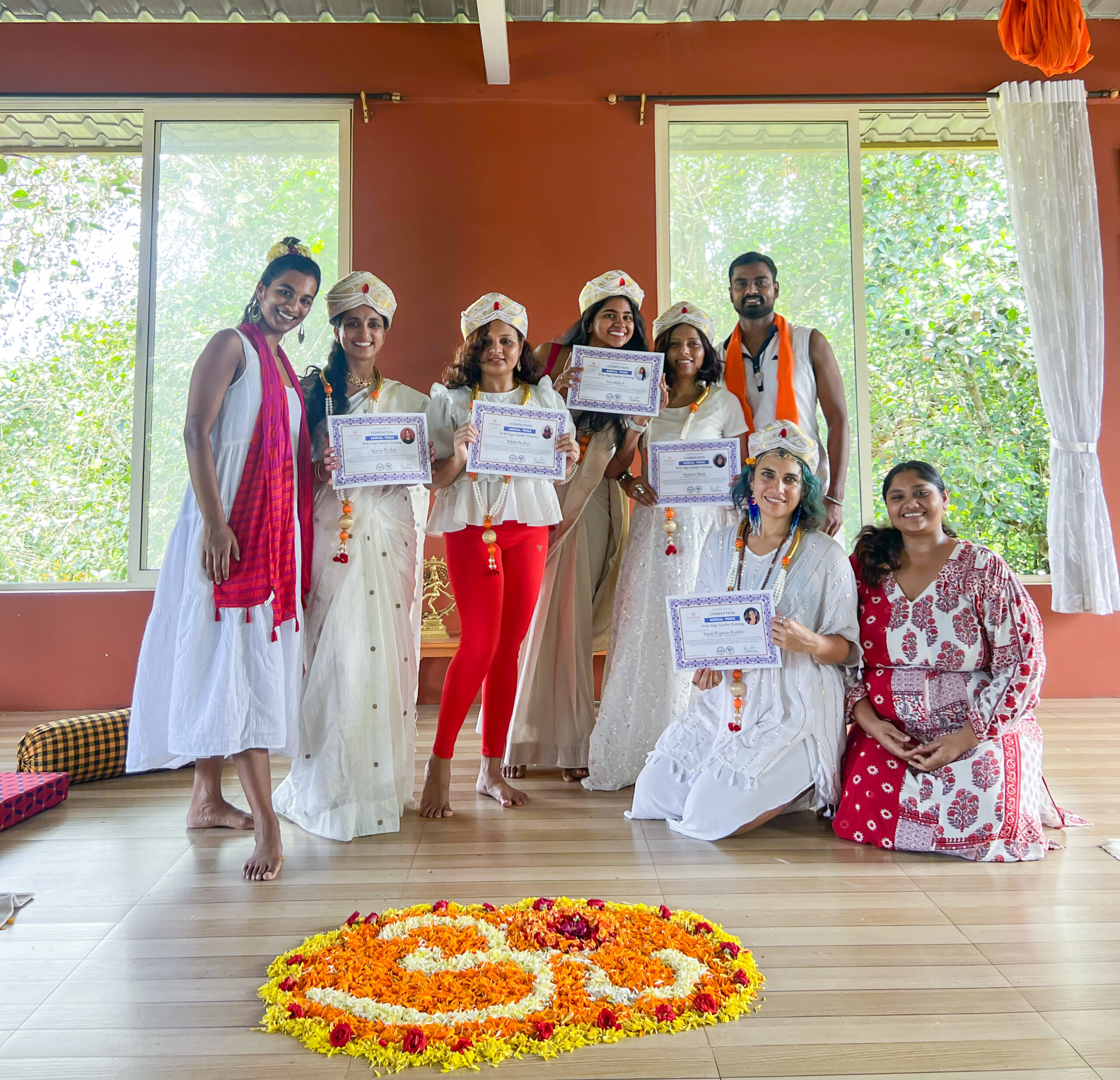
Book your Aerial Yoga TTC now and save €100 on your total fee.