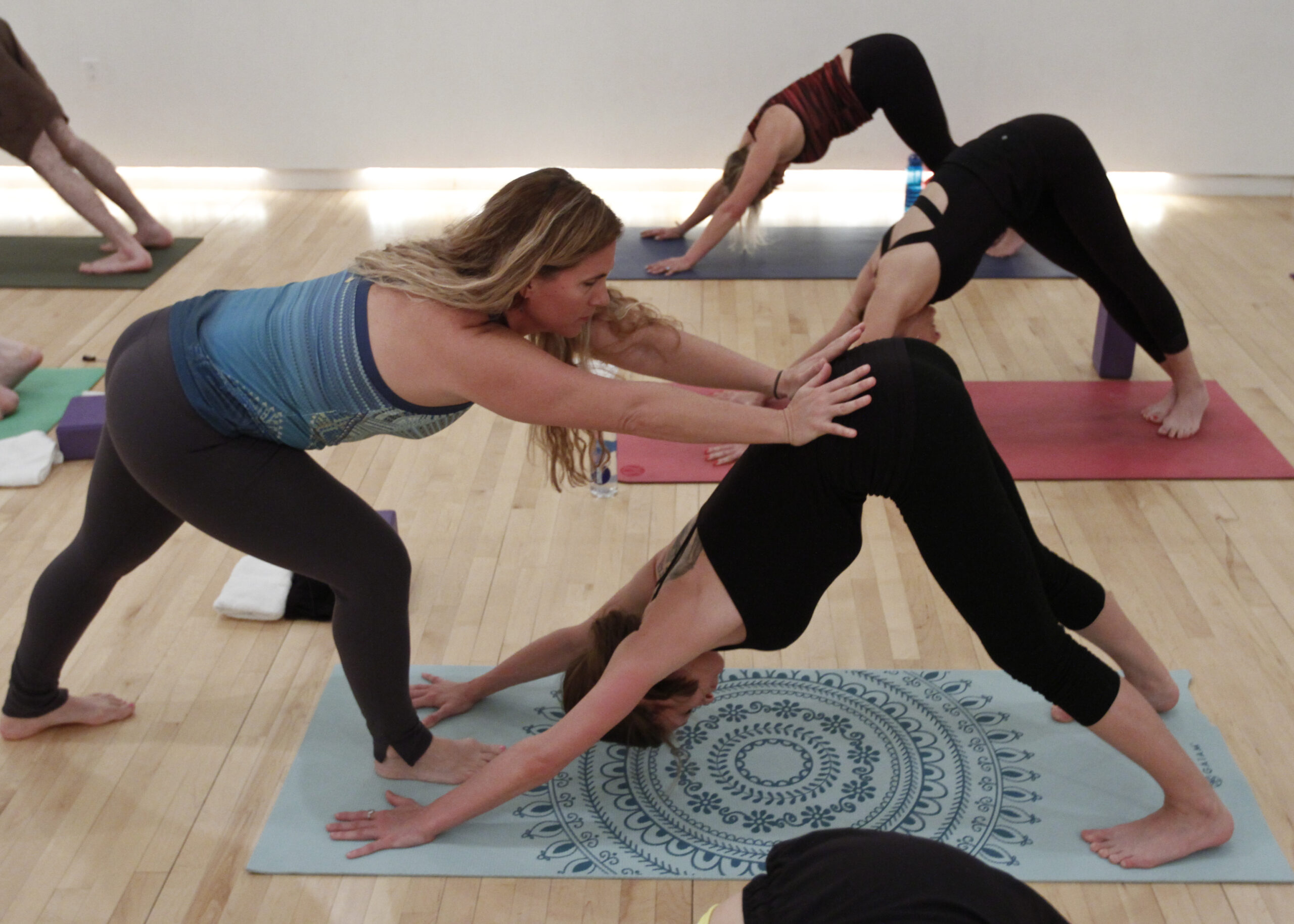
Yoga as a global wellness movement inculcates instruction, student-oriented teaching and most importantly Consent in Yoga Practice.
Even though yoga is a traditional and an ancient practise, consent and safe touch have always been important aspects and remain to be relevant in today’s time more than ever. Although hands on adjustments is a major part of teaching in yoga, the contemporary times acknowledge the need for conscious touching.
This means that touch cannot always be neutral. It carries psychological, emotional as well as physical implications. Therefore it becomes a responsibility of the teacher to include consent and safe touch in the modern yoga practice, not just as his ethical responsibility but also as an able teacher.
What is the Importance of Consent in Yoga?
Consent in layman terms means to take permission from someone. In the field of yoga it is applied in the sense when the teacher asks consent from his students to engage in physical touch.
Although it is essential to understand that consent need not be a one-time question. It is a dialogue that remains ongoing throughout the session. May be the first day the student may not be comfortable with you on an emotional as well as a physical level.
So giving clear instructions and verbal cues could be helpful. But may be with time when the student starts trusting you and he is comfortable around you he or she may ask you for physical assistance in correction of the alignment or in hands on adjustment.
Yoga Teacher Training Ethics Involves Respecting the Fluidity of the Students Choice.
Touch – Defines the Integrity of Teaching
It is perhaps one of the most sensory experiences. Touch is in fact the only experience that delivers comfort intention, safety, discomfort and withdrawal.
Safe touch in Yoga therefore becomes one of the most important tools to inculcate as a teacher to define your integrity.
Whether your class group consists of children, women, elderly or even people of your gender and your age. Practicing safe touch and consent based teaching is what will help you grow both professionally as well as enhance deeper connections with your students and clients.
How to Ensure Consent as a Teacher
Verbal Consent – As a teacher you should make sure that the consent is clear and accessible. So you can take verbal consent from your students by directly asking them if they would like a hands on adjustment in the posture or asana they are into.
Or maybe just take a simple permission before touching the student’s body while offering him guidance in any of the poses. A simple question such as –
- May I touch you?
- Is it ok if I place my hands here?
- Should I help you with this?
Tokens/ Cards – In many yoga schools as well as studios, there are tokens or consent cards. For instance the green cards usually signal a go ahead and a red card signals a no. The communication is clear even without the verbal interference.
Nonverbal Signals – The non-verbal signals would basically include body movements.
For instance a student can simply respond in a nod or raise a hand as a gesture of approval or denial. So observing the student’s body language is important in teaching.
Check ins – Lastly in spite of all the above methods of consent you should still observe the student and see if they are comfortable despite offering you approval to touch them. You can consciously adjust your interference based on their hesitation or comfort levels.
Possible Alternatives for Physical Adjustments
Say your student is not comfortable with the physical touch at all, but he needs assistance in posture correction or asana guidance. You can still effectively teach by including alternatives such as clear verbal instructions, demonstrations, encouraging to use props like bolsters, straps, blocks etc. as well as visual references.
All of these alternatives are powerful and effective and they will allow the student to grow independently.
Respect the Cultural & Physical Boundaries of Students
Respecting the cultural and physical boundaries of your students is perhaps one of the most potent tools for you. This is because your class group can come from varied cultural and personal backgrounds. So it is important to respect and value their cultural norms as well as gender based interactions.
Work on Trust Building
Trust is one of the most important bridges that will help you connect with your student. Often the students will be more physically comfortable around you when they start trusting you.
So make sure that right from your first class you are able to offer a space to your students where they can naturally unfold themselves and begin to trust you to help you guide them in their yoga journey.
Legal Considerations
Consent includes legal considerations. So if you do not take proper consent or your touch feels wrong or unsafe to the students, you may have to face complaints and encounter liability issues. This is the reason why many professional yoga institutes include consent policies and offer guidelines for safe touch.
Trauma Informed Yoga & its Necessity in Today’s Time
Touch is a unique bodily sensation that carries emotional and psychological experiences. Sometimes these experiences are good and sometimes they are trauma based. Involving in safe touch and consent based teaching help you become an able teacher.
Today many Yoga courses offered by certified yoga schools like the 200 hours yoga teacher training in goa include the importance of safe touch and consent based teaching. This is in addition to offering you Yoga philosophy, Asana practice breath work sessions, teaching methodology etc. This is because the course should not only give you professional certification, but also enable you to grow overall.